
Key points:
- International Overdose Awareness Day is observed on Aug. 31.
- Though overdose deaths decreased in 2023 for the first time in five years, the U.S. is still losing over 100,000 people each year.
- People of faith have opportunities to help, writes Dr. Jonathan D. Avalos, an addiction medicine physician and lifelong United Methodist.
- He notes that John Wesley organized penitent bands to discuss social issues like alcoholism, and United Methodism continues to embrace 12-step recovery groups by sharing space and hosting meetings.
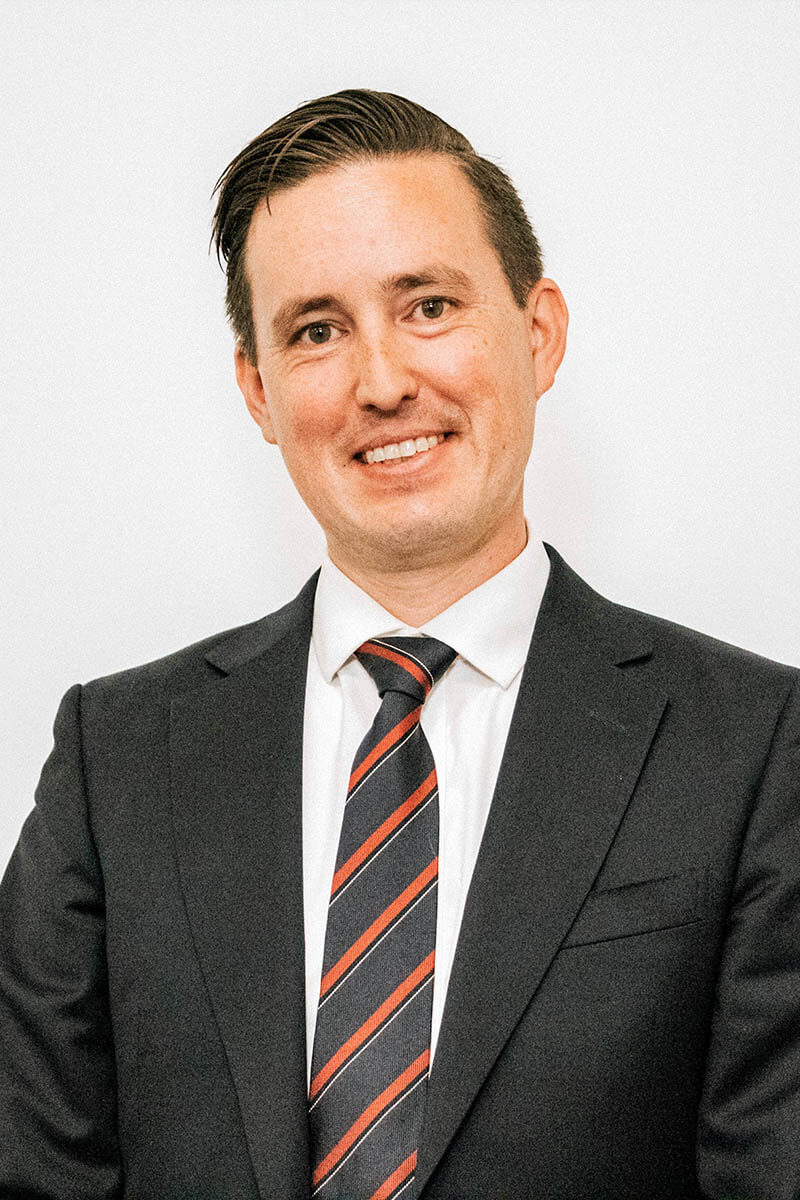
Photo courtesy of the author.
Commentaries
In the United States, The Centers for Disease Control estimates there were 107,543 deaths in 2023 related to drug overdose events compared to 111,029 the previous year. This is the first decrease since 2018 and suggests we are finally turning a corner in the rates of overdose deaths. Nonetheless, we are still losing the equivalent of one fully loaded Boeing 777 300ER passenger jet daily. That’s over 100,000 additional families with an empty seat at the table each year.
I received a strange phone call not long ago. A young man, with a whiff of panic still lingering in his voice, had phoned my office to report an overdose. He had been shopping in a local store and saw someone who appeared to be asleep under a large round rack of hanging clothes. He bent down to see if the person was OK and saw that his lips were beginning to turn blue.
As an opioid addict himself in early recovery, he had a unit of intranasal naloxone in his pocket that a peer had given him in a meeting. Reaching into his pocket, he pulled out the unit of naloxone, administered it into the man’s nostril and watched as he regained consciousness. What would have been yet another tragic statistic was transmuted into an opportunity for healing for them both.
Intranasal naloxone is an FDA-approved over-the-counter medication that functions as the antidote to opioid overdose. It’s often available for free to individuals or to organizations.
Aug. 31 is International Overdose Awareness Day.
This week, take a moment to learn more about addiction treatment resources in your community and overdose prevention tools such as intranasal naloxone. If you have a strong negative reaction to discussions about addiction, that’s OK. Just figure out why. This issue strikes close to home for many of us.
Naloxone resources
U.S. Surgeon General’s advisory
U.S. Surgeon General advisory on naloxone and opioid overdose
What does this have to do with The United Methodist Church? In the early days of Methodism, John Wesley established small group meetings called penitent bands to discuss issues including alcoholism that community members were struggling with. Since that time, United Methodists have embraced 12-step recovery groups by sharing space and hosting meetings.
Since our formation as a church, we’ve shown that people with lived experience who have wandered off the straight and narrow path are worthy of our time, our understanding and of receiving prevenient grace.
As new tools become available to prevent overdose-related deaths, we open up opportunities for God’ people to have a second chance.
Here’s to lighting the flame.
Avalos is an addiction medicine physician and lifelong United Methodist who attends Chino United Methodist Church in Chino, California.
News media contact: Tim Tanton or Joey Butler at (615) 742-5470 or [email protected]. To read more United Methodist news, subscribe to the free Daily or Weekly Digests.


