
Key Points:
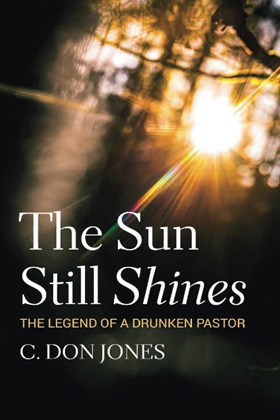
- The Rev. C. Don Jones writes about his battle with alcoholism in his book “The Sun Still Shines: The Legend of a Drunken Pastor.”
- He thinks that isolation felt by pastors may contribute to addiction problems.
- Jones remains a confident man but acknowledges the experience “chipped away” at his self-esteem.
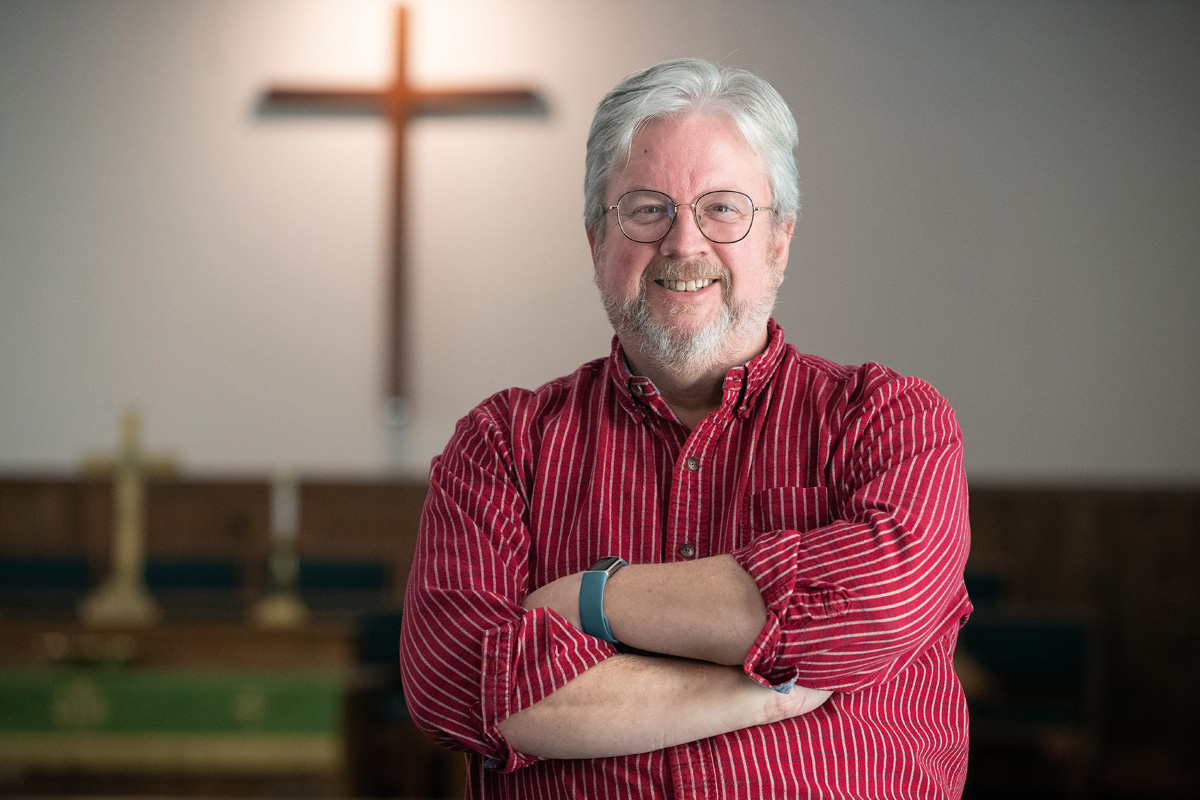
After missteps and failures along the way, the Rev. C. Don Jones made it through treatment for alcoholism and is back in the pulpit.
But the wounds from the experience are still there.
In “The Sun Still Shines: The Legend of a Drunken Pastor,” Jones tracks his hellish eight-month journey through rehab stints and regressions. He repeatedly goes back to the bottle just when it seems he’s getting somewhere. He does finally make it to sobriety with his career intact, but his marriage is destroyed and he’s still working on repairing his relationships with his children.
Jones is hard on himself, but he also thinks the rehabilitation industry could do a better job.
“The patients were open to abuse,” Jones writes in the book. “We were not really patients. We were more like asylum inmates. … Staff could do what they wanted with us.”
Some counselors weren’t qualified for their positions, he said.
“Hiring addicts and alcoholics in recovery saved money in salaries,” he writes. “It also brought the worst people for the job of offering care.”
Jones, pastor of Andersonville and Heiskell United Methodist churches in the Holston Conference, spoke with United Methodist News about his ordeal with addiction. The interview has been edited for brevity.
Were you a social drinker or did you try to hide it from your family and congregation?
Mostly by myself. Now, my ex-wife drank with me, but not to the extent I did. It's not her fault I drank or that I continued to drink. It depended on whether I was actually sick enough in the morning where I need a morning drink. That's when it should scare you, but my fear of it was over by that time. I just figured I was going to die doing that.
In the book, you are clearly a man with a healthy ego and low tolerance for things that don’t make sense. Did drinking bring your self-esteem down?
It chipped away at it. I think it's in the 10th step where it says when we are wrong, we promptly admit it. And that word “promptly” has probably saved me from a lot of heartache since then. That's why I still have a sponsor. I recently read that 80% of pastors have narcissistic tendencies. I don't know how accurate that is. You have to be mindful of being in a fishbowl or on a pedestal or whatever it is you think you're on.
You were able to hide your alcoholism from congregants and colleagues for years. How did you do that?
I don't think I was exhibiting enough (symptoms). It wasn't until some people started thinking about, “Why is Don sick all the time?” That’s when I think that people started (being aware). I wasn't able to make it to church because I was in withdrawal, and there were some concerns about that voiced.
Was being a pastor part of the problem?
I do think we need to have a better sense of recognizing why people, especially clergy, can feel so isolated. … Conferences have tried to say we need clergy accountability groups, but unfortunately when you look at your professional life, you tend to protect a lot of things you don't want people to know about. … One good friend of mine, I think (his not knowing about the alcoholism) became a problem for our friendship. I have talked to him about it a couple of times. I offered amends. I told him that I was just a really good deceiver … but he was feeling bad for not realizing it.
At one point you were urged to become an addiction counselor because you needed employment and weren’t allowed back yet to pastor.
It was suggested to me by the insurance person in our conference, that maybe I could go work (as an addiction counselor) while I was on medical leave from the conference. It seemed to him like a natural thing. I explained to him that they want people to have two years of sobriety before they become counselors. … One of my big fears has always been for people just to assume that now I'm a recovery pastor. You don't want to be pigeon-holed … that somehow you're so damaged, you're only good for this.
Has your relationships with your ex-wife and children improved?
It has improved with my children. I try not to have anything to do with my ex. I've told them about the book … so if they wanted to read it, they could. But I haven't suggested they do, because my goodness, they lived through it.
Do you worry about recidivism?
I do. There's not anything I can do about it, other than don't let it take me over. Because if I get despair, that puts me closer to being drunk. It's not in the book, but I had a church close back in January. My (new) wife was watching me; the powers that be were watching. Even one of the lay leaders of the congregation came into my office and said, “This problem is not worth your sobriety. Just remember that.”
What do you see in your future and what kind of pastor do you want to be going forward?
Subscribe to our
e-newsletter
The one who does everything a pastor does. I've always been a teaching and preaching pastor; those are my strong points. I've always wanted to be able to give pastoral care and I've always continued to learn more about theology and learn more about prayer and how to be better devoted to God. That's what a pastor does.
Do you intend to keep writing?
Basically, I hope this book is one of many different topics I write about. I've sent a book proposal out on the Beatitudes.
What are your hopes for this book?
What I hope from the book is that if somebody — or another pastor, especially — who’s struggling with addiction reads it, they will realize that you can reach out for help and have it, that the hand will be there to help you. That's what the point of the book is.
Patterson is a UM News reporter in Nashville, Tennessee. Contact him at 615-742-5470 or [email protected]. To read more United Methodist news, subscribe to the free Daily or Weekly Digests.


