
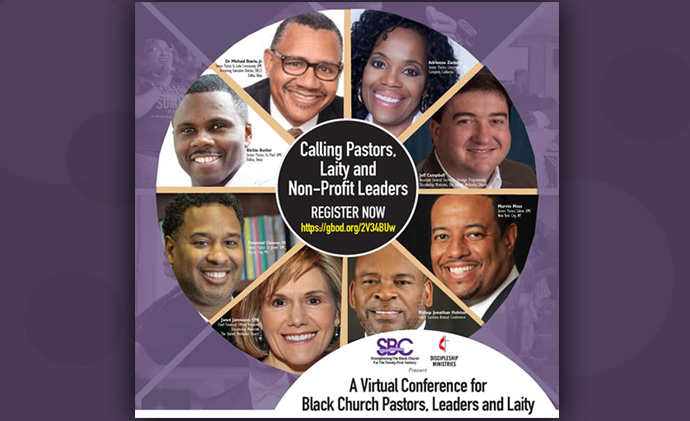
United Methodist black church leaders issued a call to action in the fight against COVID-19 in light of recent findings that African Americans are dying from the disease at disproportionate rates in the U.S.
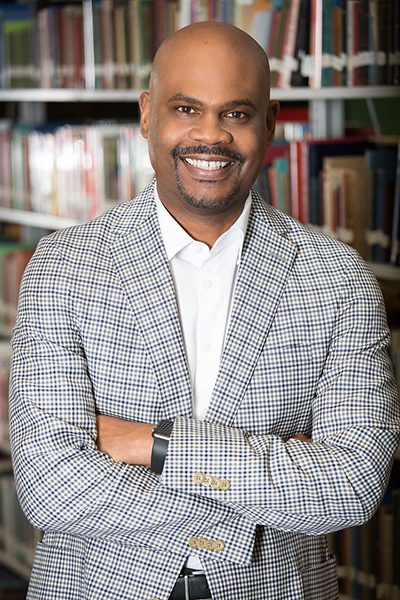
Photo courtesy of Discipleship Ministries
Strengthening the Black Church for the 21st Century, a national racial ethnic plan of The United Methodist Church, in partnership with Discipleship Ministries hosted a virtual summit on April 9 to urge congregations to take social distancing and other safety guidelines seriously. The summit also celebrated ways black churches are staying connected with their communities.
The Rev. Richie L. Butler, pastor of St. Paul United Methodist Church in Dallas, is promoting the campaign “We need to Survive.”
He cited statistics to illustrate stark realities. In Chicago, 80% of the deaths from the coronavirus are African Americans while the African American population in that city is 30%, he said.
“We are uninsured, underinsured, low income or possess many of the pre-existing health conditions that are high risk,” he said.
The Rev. Marvin Anthony Moss, pastor of Salem United Methodist Church, pointed out New York had just reported its third straight day of 800 deaths.
“It is real, I pray everyone takes it seriously,” he said. “We must adhere to guidelines. There is a thin line between faith and foolishness.”
Moss also spoke about how staying connected with his church members through social media is invaluable. He said connections with the community he has cultivated over the years have helped tremendously during this crisis.
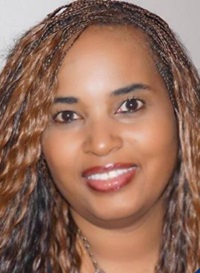
Photo courtesy of Toska Medlock Lee
“It is such a blessing to be in connection with colleagues, we share sermons, virtual meets and greets … I have gotten closer to colleagues, we pray for one another.”
He also advised people to start thinking about post-COVID-19. “How we look after this is dependent on the effort we put in now, the strength of our faith.”
The Rev. Emmanuel Cleaver III, senior pastor of St. James United Methodist Church in Kansas City, said he believes God is using this time to get people more connected.
“So much of our ministry is focused on the physical building, now we are not in a building,” he said. “We are not physically together but we can stay emotionally attached now more than ever.”
The Rev. Adrienne Zackery, pastor of Crossroads United Methodist Church in Compton, California, said her “small but mighty” congregation stepped up to help the thousands of inmates released from prison early due to COVID-19.
Her congregation decided to buy hygiene items and put together kits for people recently released from prisons.
View program
“These men and women are so vulnerable, they need very basic things. You don’t know Jesus is all you need, until Jesus is all you got,” she said.
The Rev. Junius B. Dotson, top executive of Discipleship Ministries, along with two of his staff talked about tools to help with online worship, financial resources and other tips that can be found at www.wearethepeople.org and www.umcdiscipleship.org.
“COVID-19 has been a changemaker. The challenge is to do life and ministry in new ways,” said the Rev. Michael Bowie, incoming director of SBC21.
Toska Medlock Lee, interim director of SBC21, said more than 400 people watched the livestream.
Gilbert is a multimedia reporter for UM News in Nashville, Tennessee. Contact her at 615-742-5470 or [email protected]. To read more United Methodist news, subscribe to the free daily or weekly digests.
Like what you're reading? Support the ministry of UM News! Your support ensures the latest denominational news, dynamic stories and informative articles will continue to connect our global community. Make a tax-deductible donation at ResourceUMC.org/GiveUMCom.


