
Key points:
- Deaconesses and home missioners are theologically and vocationally trained laypeople who commit their lives to full-time lay ministry as part of The United Methodist Church.
- Serving in a variety of roles, they bring Christ to marginalized and overlooked communities.
- The church should celebrate and invest in deaconesses and home missioners as well as deacons.
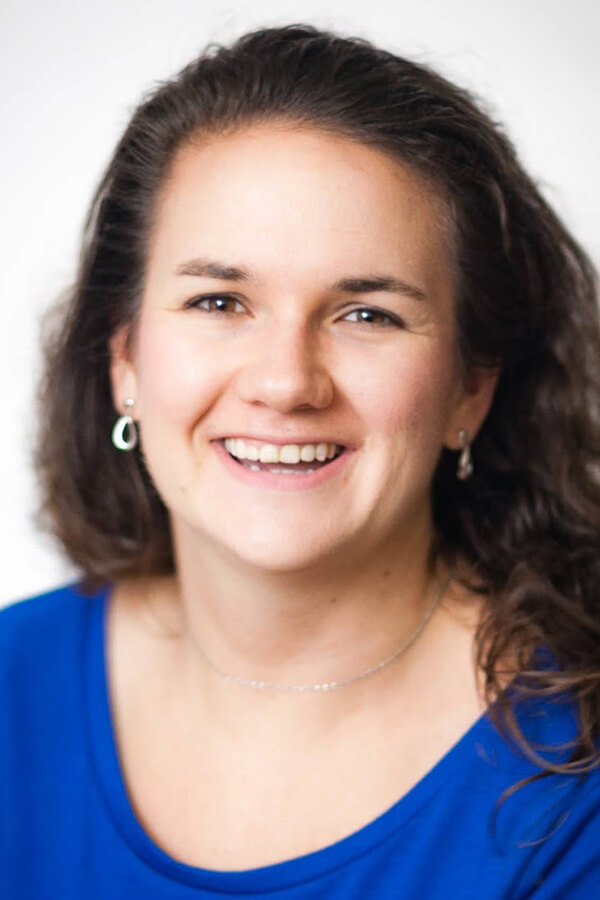
Photo by Maxine Moore, courtesy of the author.
Commentaries
When people ask, “What is a deaconess?” I like to share about our unique calling to lifelong ministry of love, justice and service.
Sometimes, however, people are confused by what a deaconess is not. It’s not a female deacon. It’s not a lay supply pastor. It’s not a title that went away after women could become ordained. I am a deaconess. We are still here.
As theologically and vocationally trained laypeople, deaconesses and home missioners commit their lives to full-time lay ministry as part of The United Methodist Church. The person’s entire vocational time is devoted to ministry in the field of labor to which the bishop appoints them. The Office of Deaconess and Home Missioner is administered by United Women in Faith, the church’s official laywomen’s organization.
(What’s a home missioner? It’s a pathway for laymen to be in relationship in ministry with the church. It was established in 2004, after the office of home missionary and office of diaconal ministers closed. The distinct titles remain to honor deaconess history, but both titles are available to anyone in the order regardless of gender.)
Deaconesses and home missioners are advocates, chaplains, teachers, social workers, writers, church staff, firefighters, therapists, community outreach and nonprofit workers, organizers, health care workers and more. They bring Christ to marginalized and overlooked communities. They take a vow to alleviate suffering, eradicate causes of injustice and all that robs life of dignity and worth, facilitate the development of full human potential, and share in building global community through the church universal.
They are consecrated and commissioned individuals who form a covenant community as an order of The United Methodist Church. Like elders and deacons, deaconesses and home missioners respond to God’s calling in covenant with one another, share common study, and nurture and care for each other in their individual ministry calls and in community.
In his recent commentary “To Revitalize the Church, We Must Invest in Deacons,” the Rev. Dr. Javier A. Viera uplifted Lucy Rider Meyer, one of the pioneers of the deaconess movement through her Chicago Training School for City, Home and Foreign Missions, founded in 1885 to educate Christian laywomen as leaders, social service providers and evangelists.
A few years later, with the help of other leaders in the Methodist deaconess movement such as Jane Bancroft Robinson, the Methodist Episcopal Church established the Office of Deaconess, which has persevered for more than 135 years. Deaconesses were at the forefront of the Social Gospel Movement of the early 1900s, founding hospitals, schools and community centers, and serving at the intersection of faith and justice, as Christ’s hands and feet to the world.
Subscribe to our
e-newsletter
We continue to embody the movement for Christ-centered social justice and impactful ministry today.
I celebrate my deacon siblings in the diaconate call of justice and service, but the early history attributed to deacons in the original version of the article is actually that of deaconesses, a fully separate order. (Editor’s note: The article has since been revised and corrected.) The article correctly noted the early work of deaconesses but did not mention the ongoing ministry and legacy of the Order of Deaconess and Home Missioner.
Lucy Rider Meyer’s Chicago Training School is, indeed, one of the three schools that would become Garrett-Evangelical Theological Seminary. However, it is a part of the history of deaconesses in the church — a distinctly separate history from that of deacons and elders.
When deacons were established as an order in 1996, the church also reaffirmed the Office of Deaconess. For more than a century, the Office of Deaconess has innovated and expanded to meet the church’s call for us today. Not everyone called to ministry is called to ordination.
Today, our order is thriving. Our order is growing. Our order and the ministry of laypeople deserve to be acknowledged and celebrated.
At the 2024 General Conference, deacons were supported in their desire for sacramental authority. I hope the church does not forget that in the very next vote, deaconesses and home missioners were denied their right to vote at annual conference in retirement just as members of the other two orders in the church are allowed.
Yes, the church should invest in deacons. And while we’re at it, let’s also invest in deaconesses and home missioners! I invite the church to learn more about the Office of Deaconess and Home Missioner and commit to knowing and sharing the full breadth of ministry opportunities to those called to ministry in all its forms in The United Methodist Church. Now more than ever, deaconesses and home missioners are crucial for the thriving future of The United Methodist Church.
Hansen, a United Methodist deaconess, serves the United Methodist Church for All People in Columbus, Ohio, as chief financial officer for the church’s faith-based nonprofit Community Development for All People. She was a General Conference delegate for the West Ohio Conference.
News media contact: Tim Tanton or Joey Butler at (615) 742-5470 or [email protected]. To read more United Methodist news, subscribe to the free Daily or Weekly Digests.


