
Key points:
- The rationale that some school boards are using for banning books could apply to the Bible also.
- Stories in the Bible that contain violent or “adult” content also offer insights that are worth reading.
- There is an alternative to banning books.
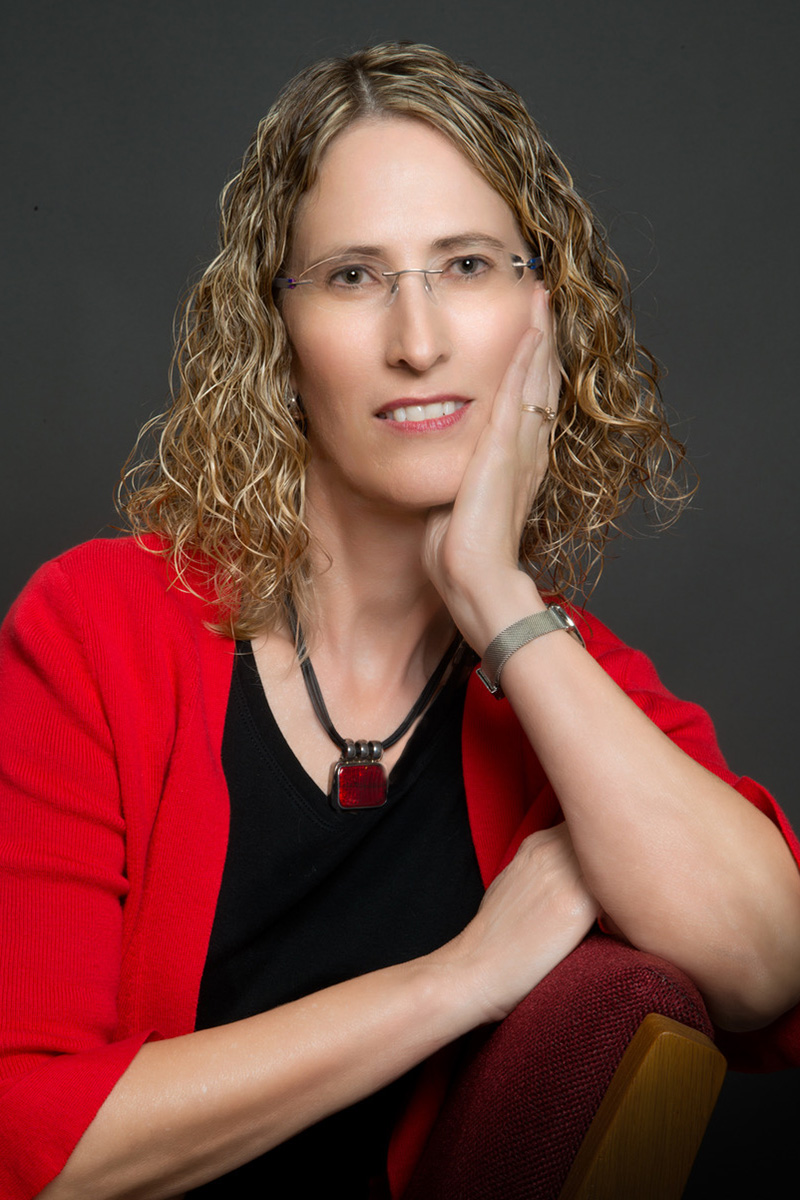
Photo courtesy of the author.
Commentaries
Several Texas school boards are banning books because they contain “adult” content. Based upon this reasoning, I wonder if people want to ban the Bible as well.
The story of Noah’s ark, for example, isn’t appropriate fare for nurseries, yet it is widely employed. Animals, cheerily popping their heads out of a buoyant ark while a white-skinned and bearded Noah smiles from the deck, belie the violent portrayal of divine-inspired destruction.
Failing to censor this and other adult biblical content illustrates the human tendency to find acceptable that which is familiar while discounting that which is unfamiliar, especially if it forces us to confront our biases.
And yet, maybe there is room to become more acquainted with the scary stories of the Bible in order to inform this contemporary conversation.
From the story in Genesis of Tamar who has sex with her father-in-law, to the woman in the book of Judges who is gang-raped by an insatiable mob, to John the Baptist whose head ends up on a platter for all the diners to observe, adult content pervades the Holy Bible.
Despite the presence of these and other horrific narratives, surely none of those wishing to ban books from school libraries wants Bibles pulled from shelves for the R-rated features.
While seldom the stuff of Sunday pulpits, these stories — violent, disturbing, “adult”— are worth reading. Tamar, someone who was pushed to the margins of her society, ends up being the hero, an outsider who is “more right” than the religious insider who should have acted more justly. She points not only to the efficacy of lawful structures that depend upon the morality of its practitioners, but also to the idea that often those who have been treated unfairly are the ones who most readily can identify problems within any social system.
Subscribe to our
e-newsletter
Like what you're reading and want to see more? Sign up for our free daily and weekly digests of important news and events in the life of The United Methodist Church.
The unnamed woman left to be vandalized in order that her religious-leader husband remained safely protected is the height of human devaluing. While difficult to find anything meaningful or inspiring about her tragic assault, through her, readers are taught to recognize the power of a narrator to shape how readers read: Why is she unnamed? Why is she called a concubine when the male is called her husband? Why does the narrator fail to convey any sense of outrage by what happens to her? Further, including this account makes a compelling argument that the society had devolved to the point that it needed some drastic change.
Likewise, the grotesque scene of John the Baptist’s beheading as a result of King Herod’s party trick in hopes of saving face, can serve as a timely reminder of the extraordinary power of kings, especially those of theocratic making. That John’s death is blamed on the king’s daughter and wife brings to light how easy it is to impugn others for rash and ill-fated decisions, especially those with less power.
Central to Christian tradition is Jesus’ untimely and unjust death on the cross, an adult-themed narrative in any book. But the story of Jesus shows how to put the stranger ahead of oneself, and the cross conveys a perpetual hope that we will, in fact, do this.
So, what if, instead of seeking to ban books, we read them? For Christians, especially, I can’t think of a better Lenten activity than to embrace what is not familiar, which is another way of saying, to love our neighbor.
Weddle holds a Ph.D. in religion and is scholar-in-residence at Northaven Church in Dallas.
News media contact: Tim Tanton or Joey Butler, Nashville, Tennessee, (615) 742-5470 or [email protected]. To read more United Methodist news, subscribe to the free Daily or Friday (weekly) Digests.


